


A recent study highlights how neurological activity may affect cardiovascular events, offering a deeper understanding of risk factors and potential future treatment approaches.

Published: January 30, 2026 4:20 PM IST

What the study is about?
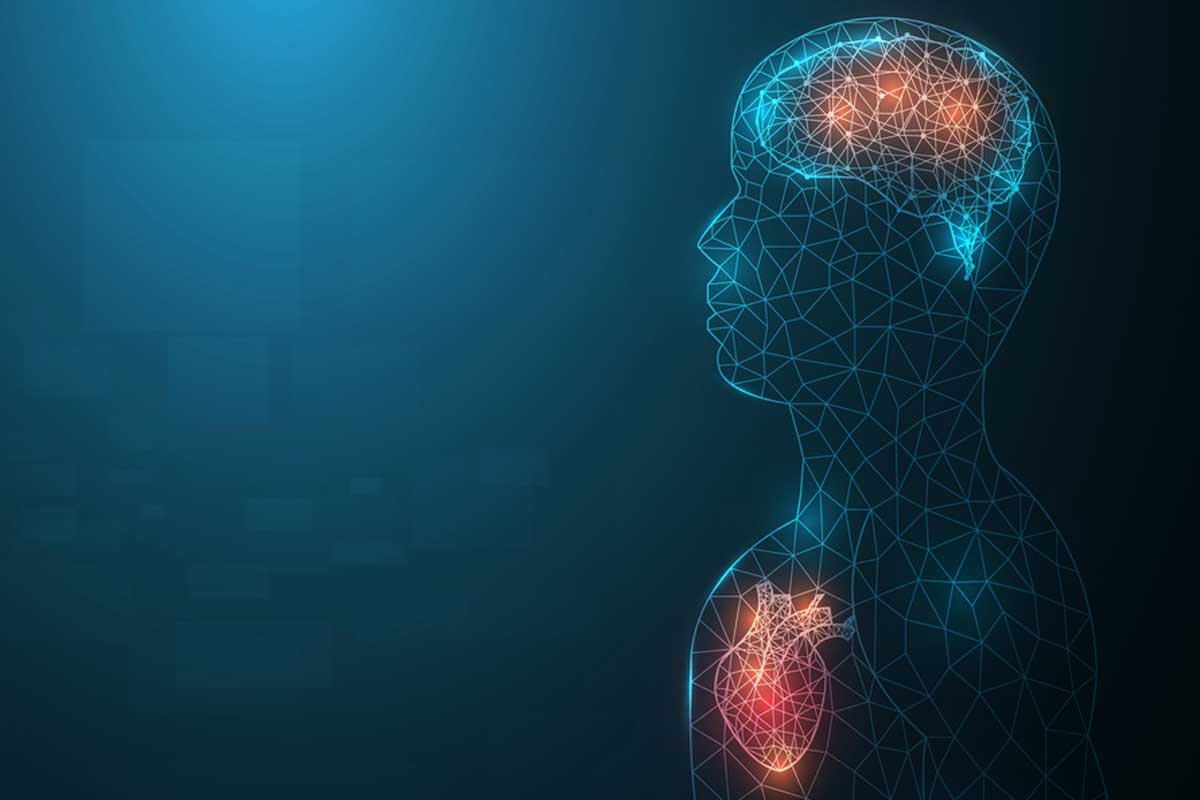
Recent findings show that the brain does not just respond to a heart attack but may actively influence how and when it happens. Scientists have discovered that signals from the brain can affect inflammation, immune response and stress levels in the body. These factors together may increase the risk of a heart attack or worsen its impact. The study highlights a complex connection between the brain, nervous system immune system and heart. Instead of working in isolation these systems constantly communicate with each other, especially during moments of physical or emotional stress.How does the brain impact the heart?
Researchers found that certain brain regions linked to stress and emotion can trigger immune cells to become more active. This increased immune response may lead to inflammation in blood vessels, making plaques more unstable. When these plaques rupture it can block blood flow to the heart and cause a heart attack.Add India.com as a Preferred Source
The nervous system also plays a role by sending signals that affect heart rate blood pressure and vessel function. Chronic stress anxiety and emotional strain may overstimulate these pathways which could explain why stressful events are often linked to sudden cardiac episodes.
When these effects become stronger?
The brain’s influence appears to be strongest during periods of long-term stress or after a cardiac event. After a heart attack the brain may send signals that increase inflammation throughout the body. This can slow healing and raise the risk of future heart problems. Scientists believe this brain-driven response may help explain why some patients suffer repeat heart attacks even when their arteries are treated.
Why this research matters for generations?
Understanding this brain heart connection could transform how heart disease is treated. Instead of focusing only on arteries and cholesterol future care may also target stress control brain signaling and immune balance. This could include therapies aimed at calming the nervous system or reducing inflammation triggered by the brain. As per several reports, researchers say this insight may also help identify people at higher risk earlier through brain activity patterns and stress markers. Also read: Could exercise and anti-Inflammatories be the key to slowing aging? Here’s what has been foundSource link













Leave a Reply